Electronics Lifecycle Extension: A Practical Guide
7 Oct 2026
Most electronic equipment fails for reasons that can be managed: heat, poor power and ageing parts. Extending its life is mainly a matter of controlling those and acting before a failure.
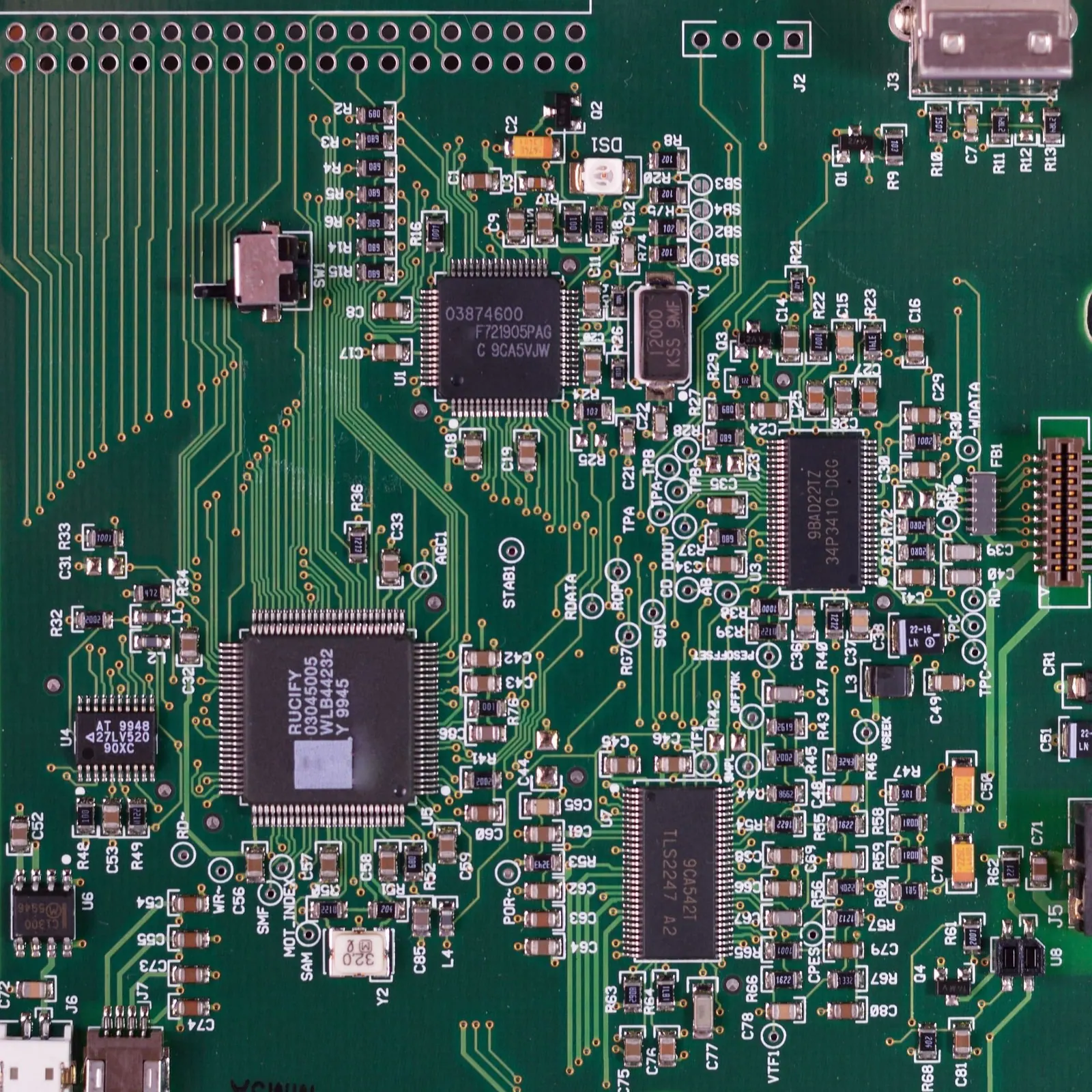
Control heat
Electrolytic capacitors and many semiconductors age faster when hot. Keep ventilation clear, filters clean and fans working, and avoid putting heat-producing equipment in sealed cabinets without airflow.
Protect the power supply to the equipment
Surges, sags and unstable earthing damage input and protection stages first. Surge protection, a suitable UPS and good earthing reduce the number of power-related failures, which are among the most common in practice.
Replace wear parts before they fail
Some parts are known to wear: fans, electrolytic capacitors, batteries and connectors. Preventive replacement during a planned refurbishment is cheaper and less disruptive than replacement after a failure.
Record faults and look for patterns
A simple log of which equipment failed, when, where and how shows whether failures cluster by model, site or season. That tells you whether to fix a site condition, retire a model or stock spares for it.
Hold tested spares and know your repair route
A small stock of refurbished, tested spares and a repair route you have already used shorten every future outage. Decide the route before the equipment fails, not afterwards.
Related Service
Electronics Refurbishment in Kenya