From Fault Isolation to Functional Recovery
Each engagement is scoped to the condition of the equipment, the technical information available, component availability, and the customer's operational requirements.
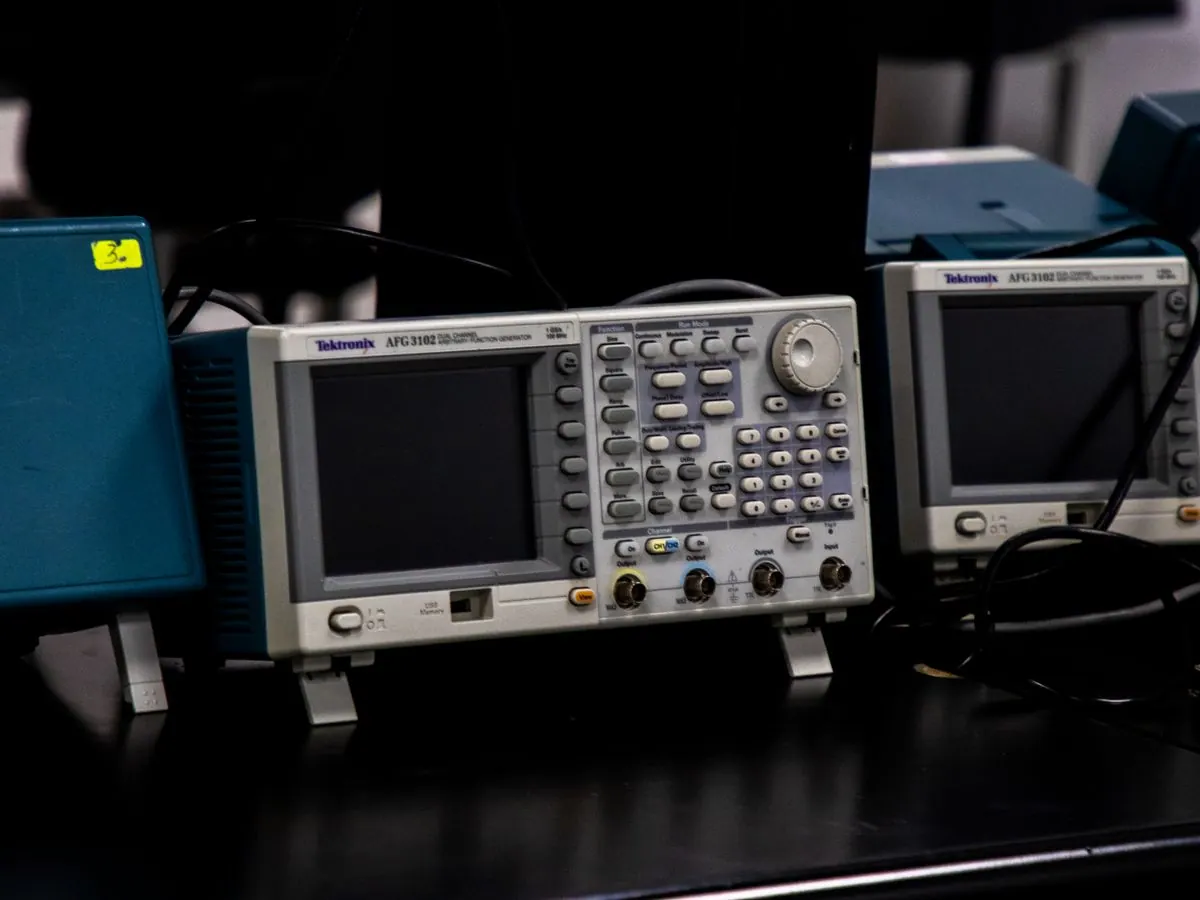
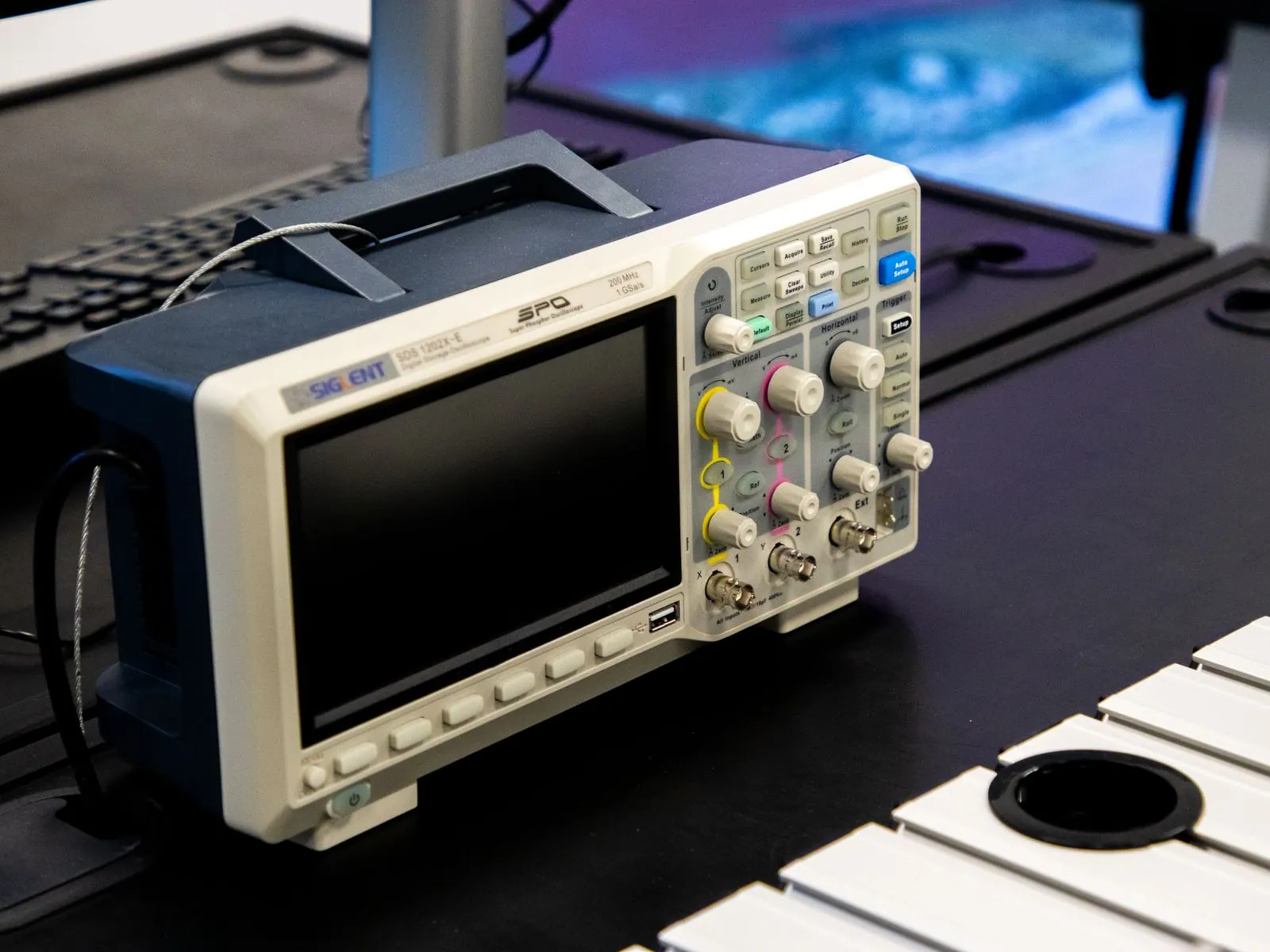
Advanced Diagnostics
Signal-level and power-rail testing to isolate a fault to a specific stage of a circuit before any component is touched. This is the step that turns "it doesn't work" into a defined electrical problem — the basis every repair decision that follows is built on.
- Purpose
- Identify electrical, signal, or power-related faults before repair work begins.
- Typical Activities
- Visual and microscope inspection, Power-rail analysis, Oscilloscope measurements, Signal tracing, Multimeter and continuity testing
- Customer Deliverables
- Diagnostic findings, Repairability recommendation, Proposed next action
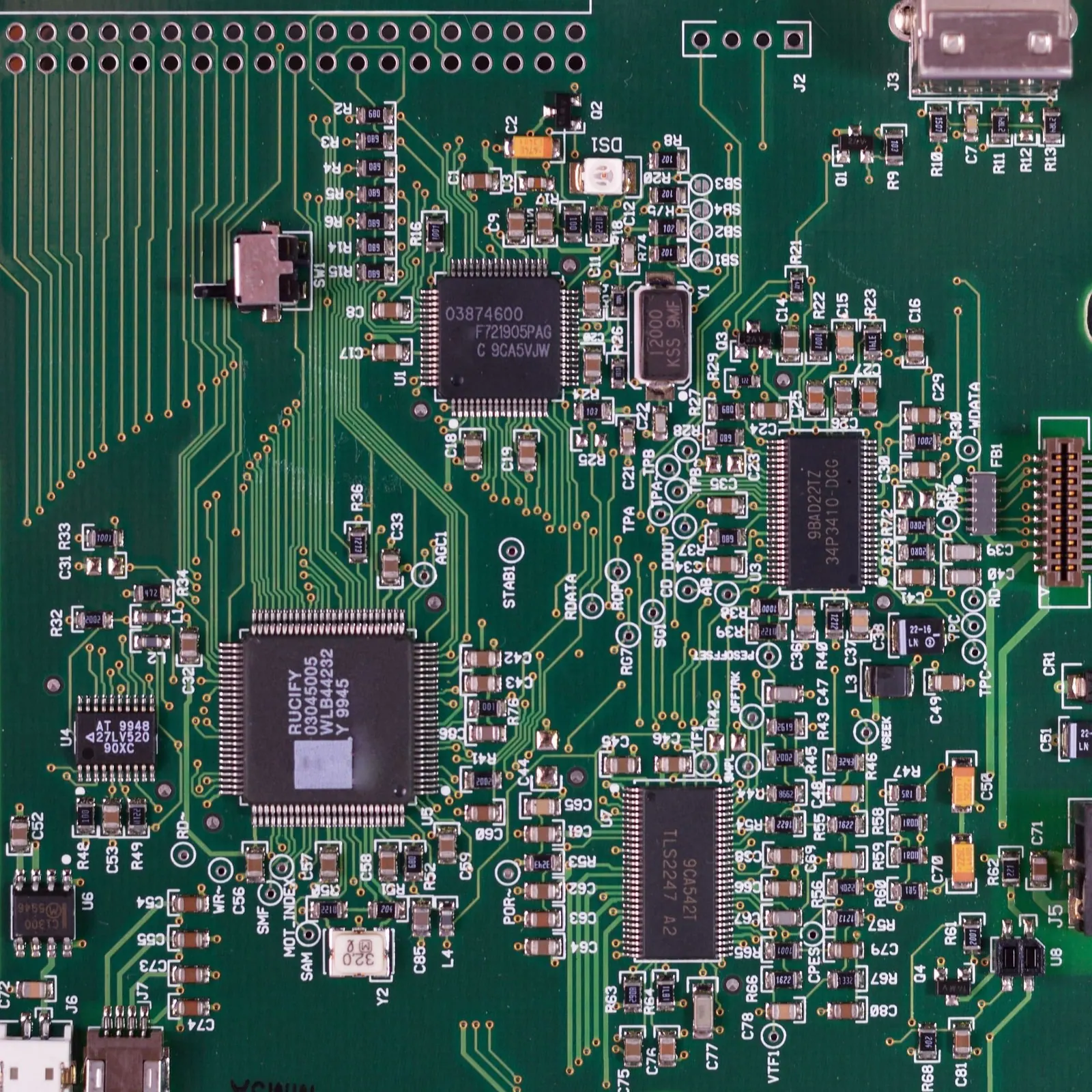
Component-Level PCB Repair
Once a fault is isolated, repair happens at the level of the individual component — not by replacing an entire assembly. This is what makes repair viable for boards where a replacement unit is expensive, discontinued, or simply unavailable.
- Purpose
- Correct confirmed component or board-level faults without replacing the entire assembly.
- Typical Activities
- Component replacement, Damaged pad or trace correction, Connector repair, Through-hole and SMD repair
- Customer Deliverables
- Repair record, Replaced-component record where appropriate, Post-repair verification result
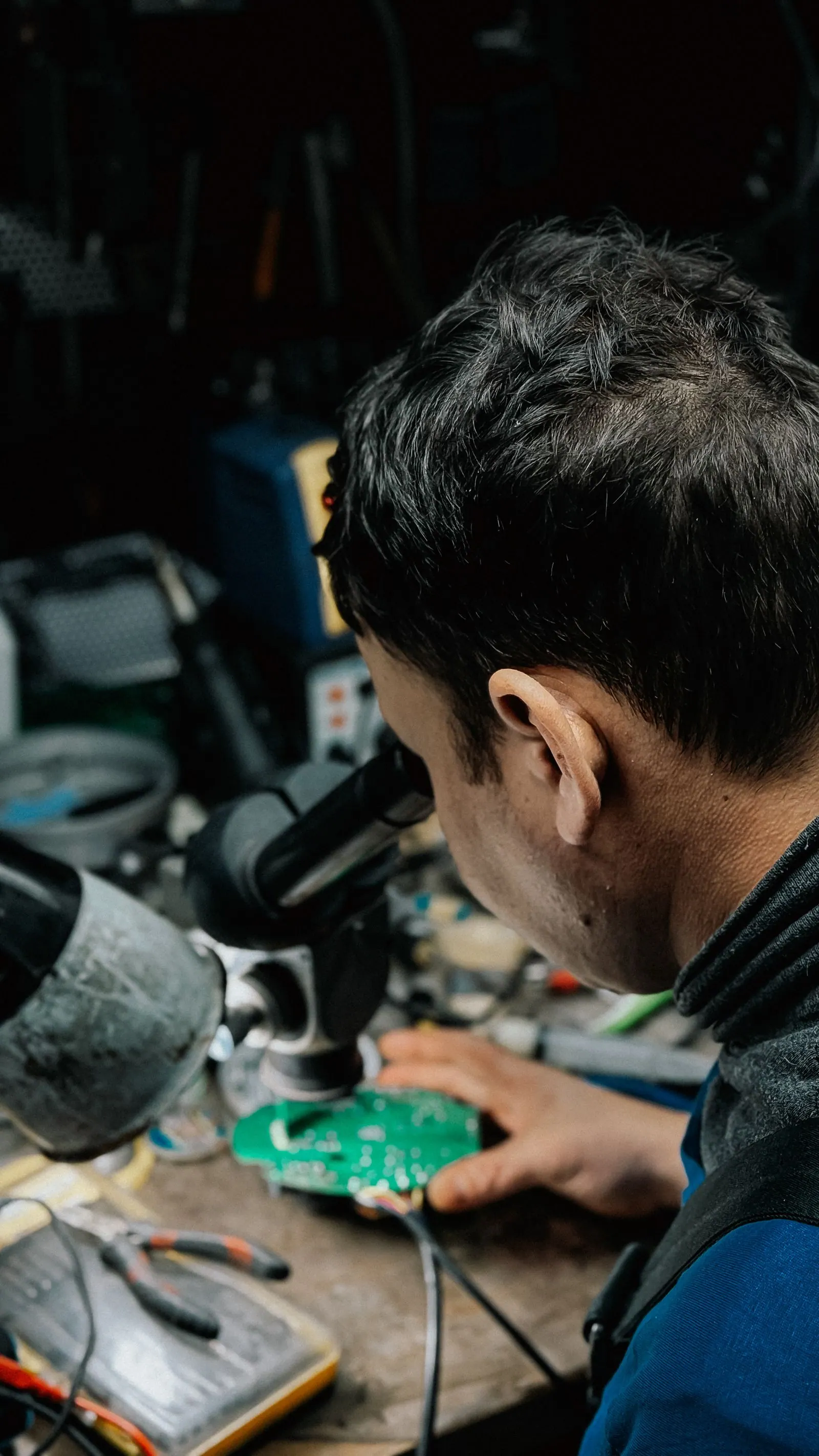
Failure Analysis
A completed repair answers "what was broken." Failure analysis answers "why it broke," which matters when a fault is likely to recur, when a client needs a technical explanation, or when a batch of similar equipment shares a design weakness.
- Purpose
- Investigate why an assembly failed, particularly for repeat failures or unusual damage.
- Typical Activities
- Failure-site inspection, Electrical fault isolation, Power-path investigation, Repeat-failure comparison
- Customer Deliverables
- Findings summary, Probable failure mechanism, Corrective recommendation
- Limitation
- A definitive root cause cannot be established in every case.
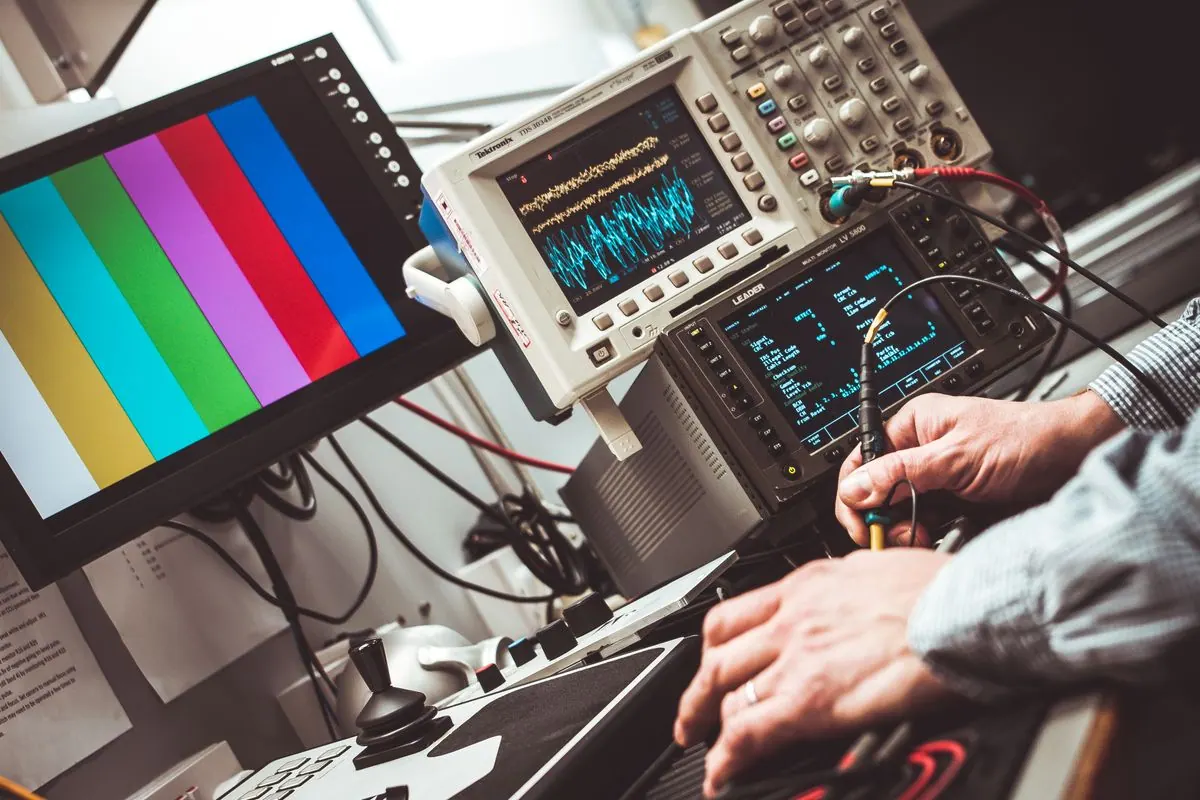
Every finding traces back to a direct measurement — not an assumption
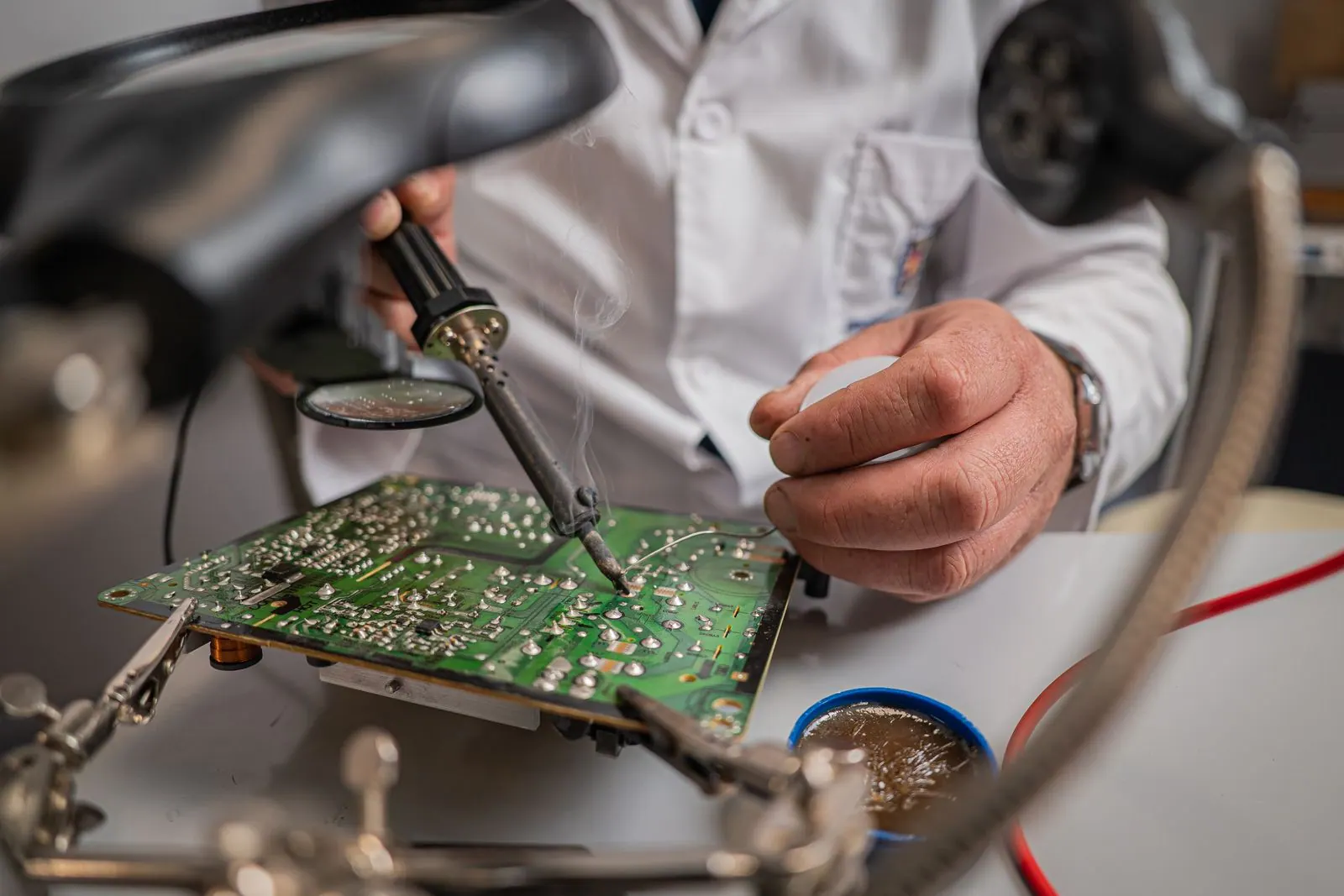
PCB Rework and Engineering Modification
Surface-mount replacement, trace and pad repair, and board-level modifications carried out under magnification. Rework is precision work — the goal is restoring the board to its original electrical specification, not a visible repair.
- Purpose
- Carry out controlled board-level corrections or approved modifications.
- Typical Activities
- Component substitutions, Approved engineering changes, Jumper or trace modifications, Connector changes
- Customer Deliverables
- Rework record, Post-rework verification result
- Limitation
- Only modifications Sinsal is equipped and authorized to perform are undertaken.
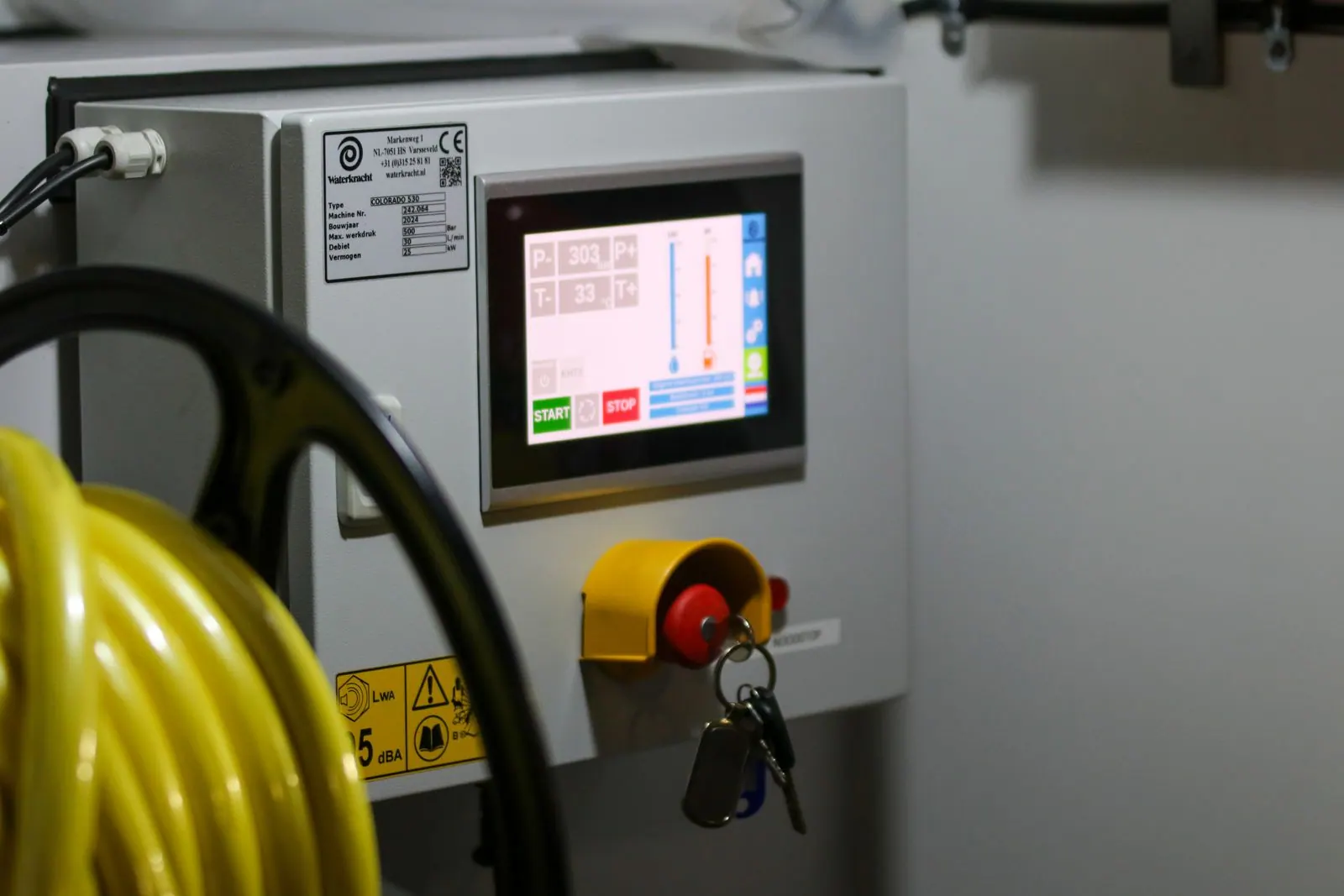
Electronics Refurbishment
For equipment that is functional but degraded, refurbishment addresses wear, component drift, and accumulated faults as a single controlled process — extending the useful life of an asset rather than replacing it.
- Purpose
- Restore aged or degraded electronic assemblies to a serviceable condition where practical.
- Typical Activities
- Cleaning and inspection, Preventive component replacement, Connector correction, Functional testing
- Customer Deliverables
- Condition summary, Work completed, Validation status, Recommendations for continued operation
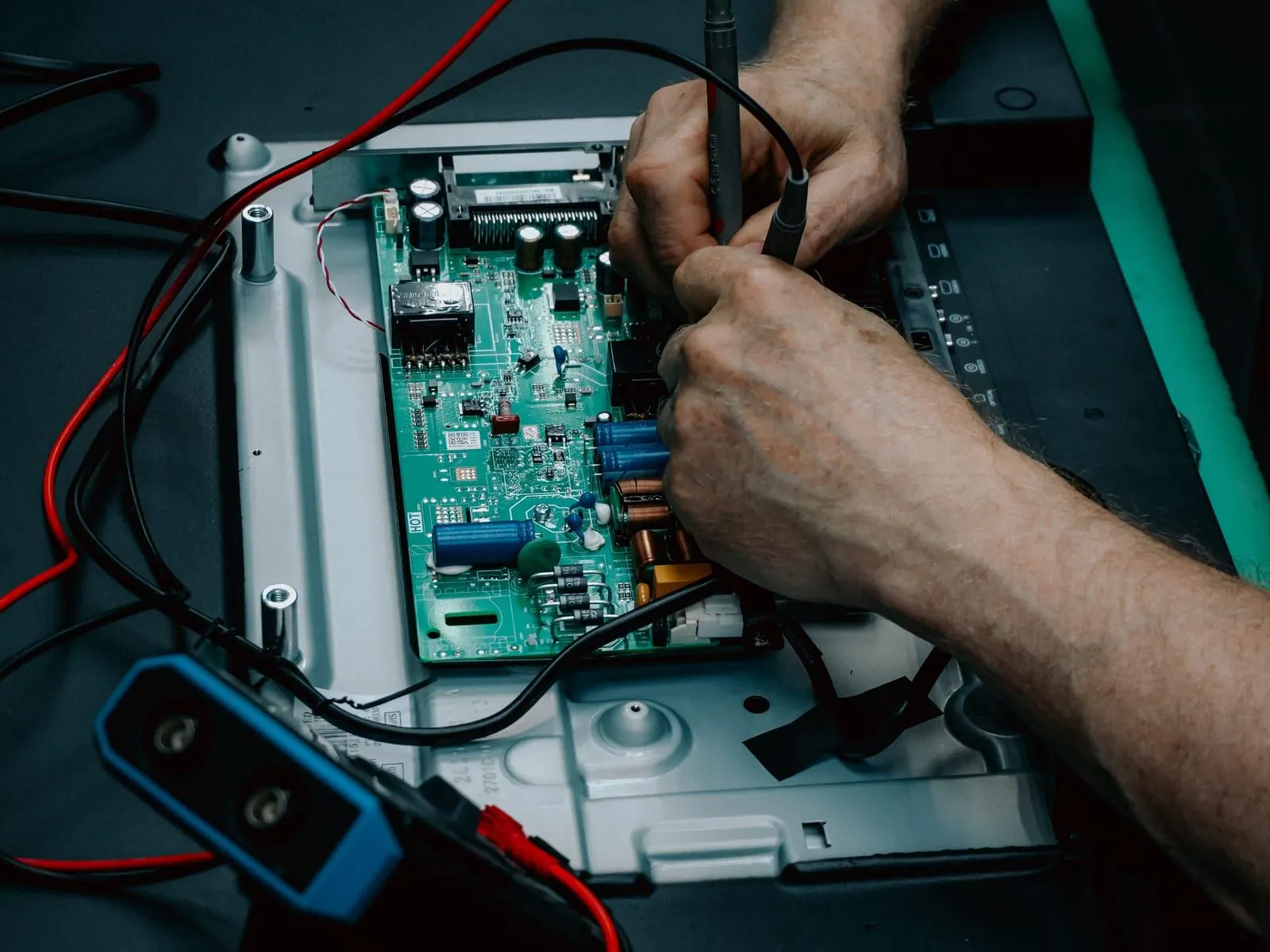
Firmware and Hardware Data Recovery
Where a device fails to boot because its firmware or flash-stored data is corrupted rather than the hardware itself, recovery happens directly at the chip level — reading, restoring, or reprogramming firmware that software-only tools can't reach.
- Purpose
- Recover or restore corrupted firmware, BIOS, or flash-stored data at the hardware level.
- Typical Activities
- BIOS/UEFI recovery, NAND and NOR flash reading and reprogramming, Chip-off and in-circuit firmware recovery, Boot-failure vs. hardware-fault differentiation
- Customer Deliverables
- Recovery feasibility finding, Recovery record where work proceeds
- Limitation
- Physically damaged flash chips or vendor-encrypted firmware are not always recoverable.
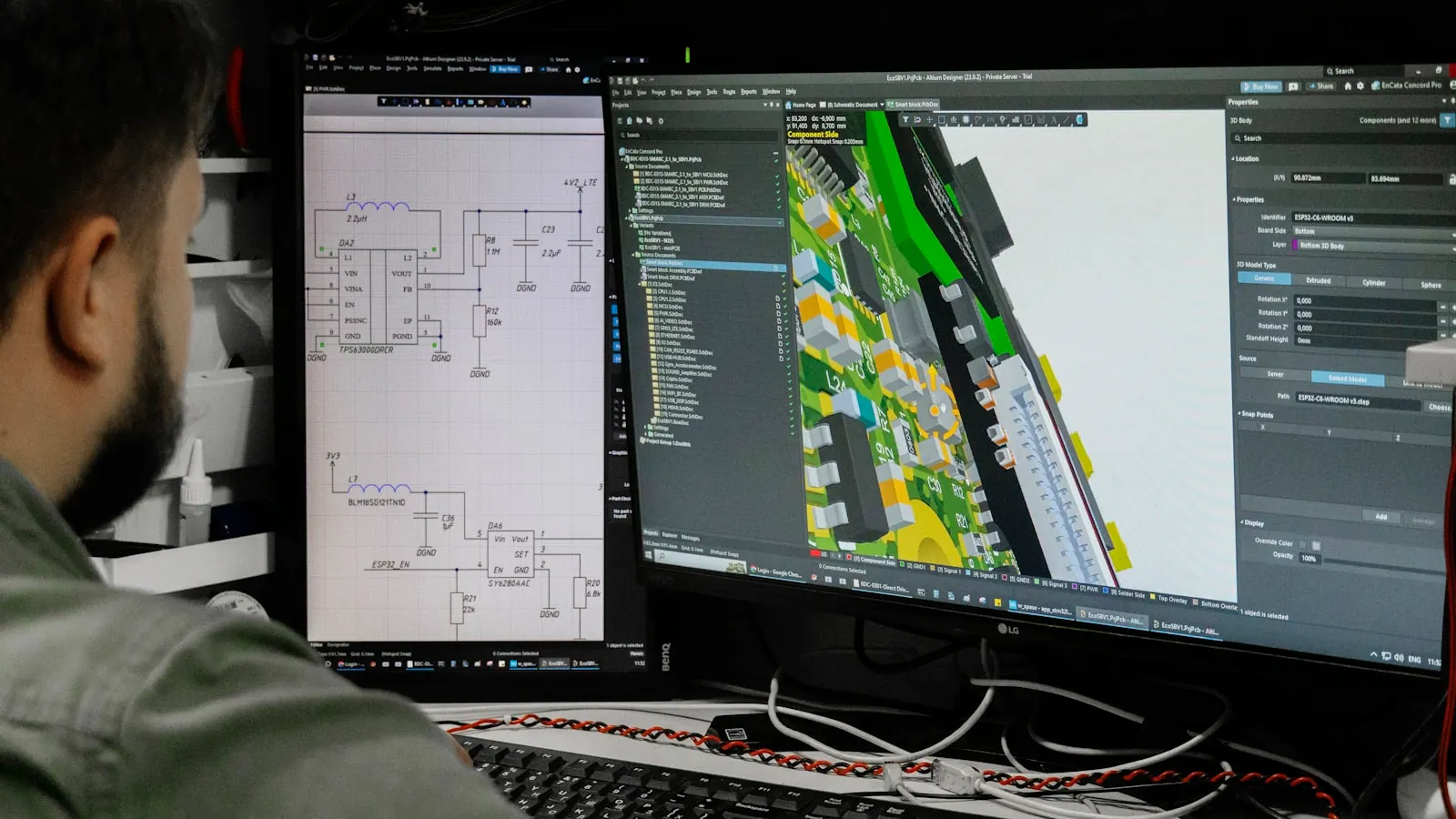
Reverse Engineering and Technical Documentation
Where schematics or documentation don't exist — common with legacy or discontinued equipment — reverse engineering builds the technical understanding of a board's circuit needed to diagnose or repair it responsibly.
- Purpose
- Develop usable technical understanding of unsupported or undocumented electronic assemblies.
- Typical Activities
- Connection tracing, Interface identification, Component identification, Test-point documentation
- Customer Deliverables
- Technical documentation summary, Partial schematic where achievable
- Limitation
- Complete schematic reconstruction is not always possible.
Have Equipment That Needs a Second Opinion?
Describe the equipment and the fault. Sinsal will confirm whether it's a fit for diagnostics and repair before any work begins.
Already submitted equipment? Track your equipment