OEM and Legacy Electronics Repair, Refurbishment, and Support
Original equipment manufacturers and the businesses that rely on their products often face a specific problem: a subassembly fails, and the manufacturer no longer supports it. Sinsal repairs, refurbishes, and where documentation is missing, reverse-engineers the electronics behind legacy and low-volume products to keep them functional.
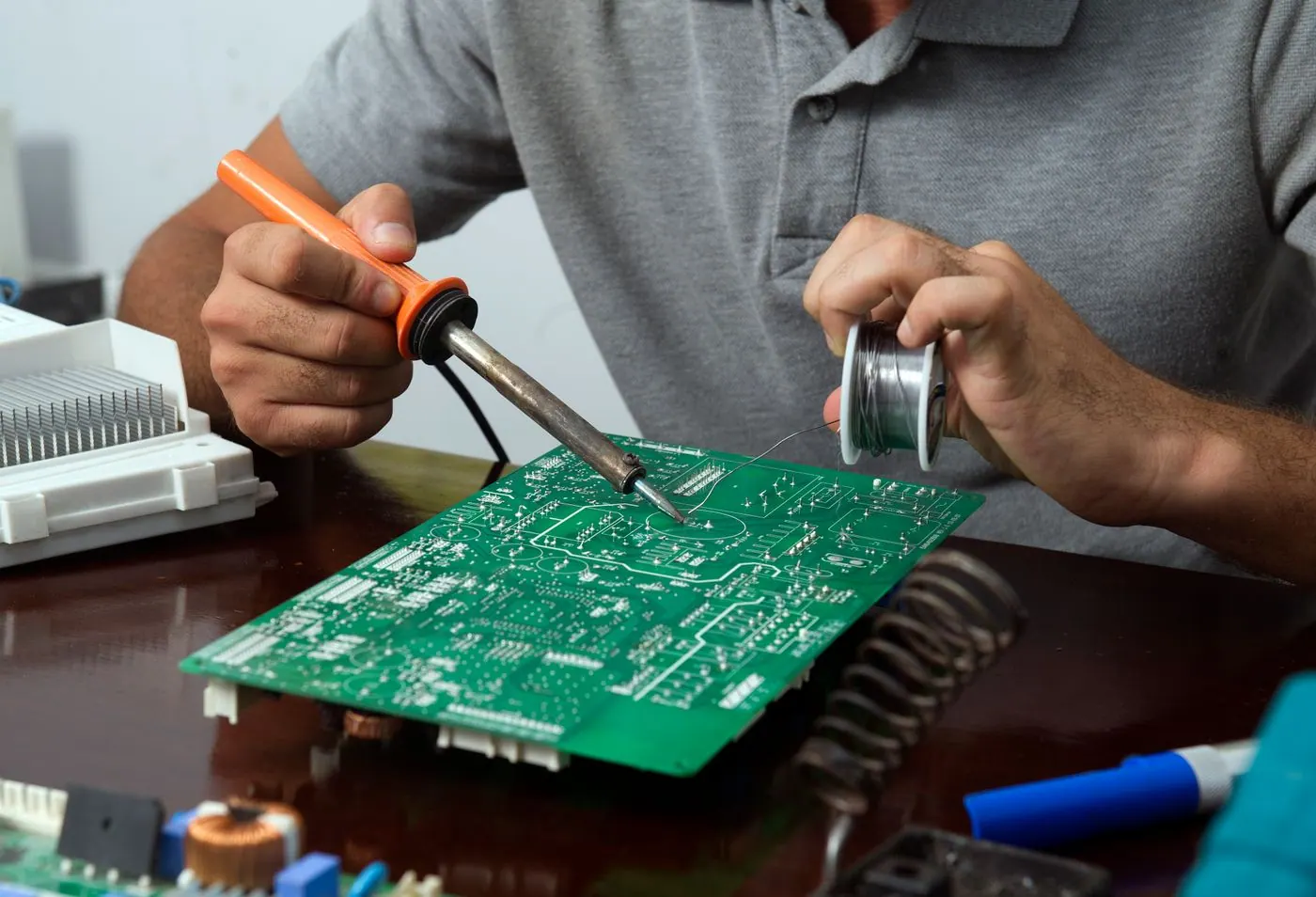
Equipment and Systems
- Specialized electronic subassemblies and control modules
- Legacy control electronics from discontinued product lines
- Prototype and low-volume production boards
- Custom power and interface electronics
- Assemblies requiring undocumented schematic or firmware reconstruction
Common Failures
- A subassembly fails and no replacement part exists from the original manufacturer
- Legacy control electronics degrade after years of field service
- Low-volume boards with no available documentation when a fault occurs
- Firmware or configuration loss on discontinued controller hardware
- Physical or environmental damage to custom assemblies
Diagnostic Process
- Component-level fault isolation on the specific failed subassembly
- Schematic and circuit reverse engineering where original documentation isn't available
- Refurbishment assessment covering component aging, corrosion, and mechanical wear
- Firmware and hardware recovery assessment where applicable
Repair vs. Replacement: Cost and Lifecycle
For OEMs supporting a legacy product line, or businesses running equipment the original manufacturer no longer services, component-level repair and reverse engineering can be the only realistic path to keeping a system running — often at a fraction of the cost and lead time of a full redesign or replacement.
Important Limitation
Reverse engineering recreates functional understanding of a circuit for repair purposes — it does not transfer or claim ownership of the original manufacturer's intellectual property.
Common Questions
Can Sinsal support a product line our original manufacturer has discontinued?
Often, yes — assessment determines whether the specific subassembly and fault are a fit for repair, refurbishment, or reverse-engineering support.
Does reverse engineering infringe on the original manufacturer's IP?
Reverse engineering here is performed to understand and repair a specific unit's circuit behavior for legitimate repair purposes, not to reproduce or resell the manufacturer's design.
Have Equipment That Needs a Second Opinion?
Describe the equipment and the fault. Sinsal will confirm whether it is a fit for diagnostics and repair before any work begins.
Already submitted equipment? Track your equipment