Why Post-Repair Testing Matters
6 Oct 2026
A board that powers up after repair has not necessarily been repaired. Post-repair testing shows whether the repair holds under the conditions the equipment will actually face.
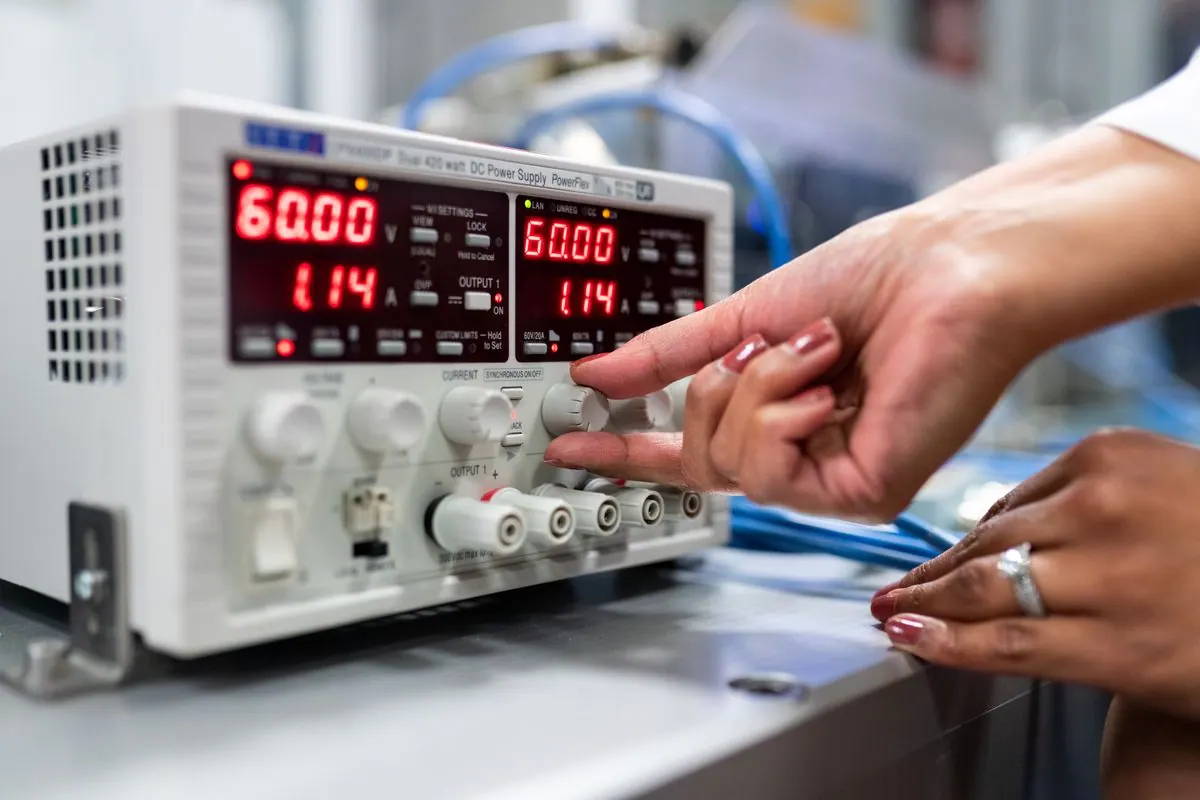
Powering up is not proof
Many faults only appear when a board is warm, under load or running for a while. A quick power-up on the bench shows the obvious fault is gone but says little about marginal parts, weak solder joints or stressed neighbours.
What a proper post-repair test covers
The rails and signals that were faulty are measured again. The board is exercised in its normal role, in the host equipment or a representative setup. It is run for an extended period so heat-related faults can show up, and re-checked after cooling and a fresh power-up.
Checking what was nearby
The event that damaged one component may have stressed others. Testing checks neighbouring stages for signs of marginal behaviour, so a second failure does not follow shortly after.
Records and limits
A test record states what was tested and the result, and equally what was not verified. For example, electrical function is tested, but clinical calibration or functional-safety approval is not provided by the repair.
Why it saves money
A repair that fails again in service costs the equipment owner more than the repair itself, including the downtime and the second shipment. Time spent testing before return is cheaper than that.
Related Service
Electronics Testing and Validation in Kenya