When Should a Business Repair Instead of Replace Electronics?
7 Oct 2026
Repair is not always the right answer, and neither is replacement. The decision depends on a handful of factors that can be checked before any money is committed.
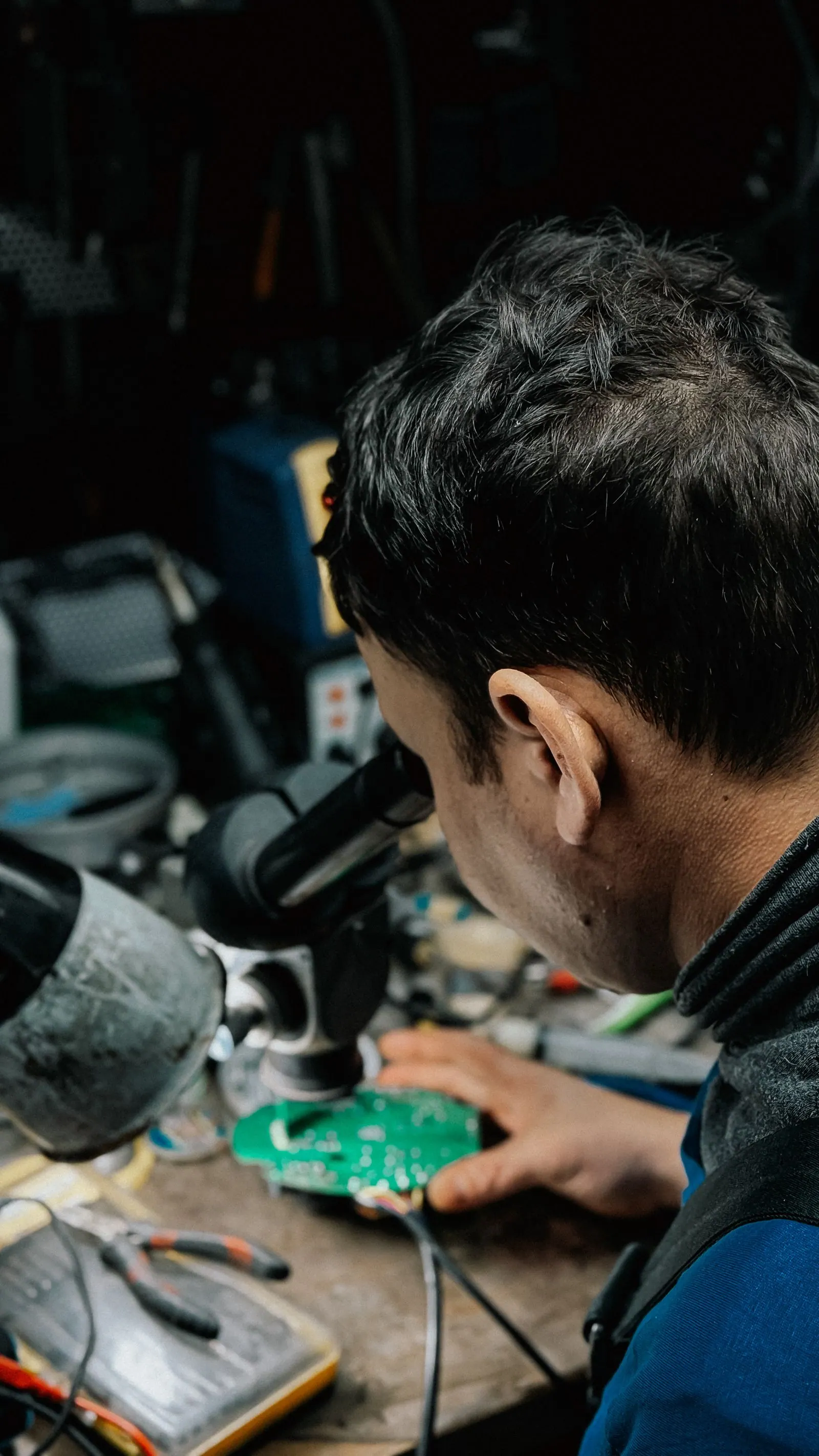
Start with what failed, not with the price
A quote for a replacement unit is easy to get, so it often becomes the default. Before comparing, find out what actually failed. A single failed regulator or connector on an otherwise sound board is a very different situation from a board with several damaged stages.
That is why a technical assessment comes first: it separates the faults that are cheap and quick to fix from those that are not.
Five questions that decide it
Is the fault confined to a few components? Are the parts, or equivalents, obtainable? Is the equipment otherwise in good condition and fit for the job it does? Is a replacement slow, imported or discontinued? What does each day without the equipment cost?
If the answers are yes, yes, yes, yes and expensive, repair is usually worth pursuing. If the fault is extensive, the parts are unobtainable, or the equipment no longer meets your needs, replacement is the better choice.
Count the whole cost, not only the unit price
Replacement adds delivery, configuration, testing and sometimes training or licences. Repair adds diagnosis and testing but keeps the existing configuration and mounting. Comparing only the price of the new unit with the price of the repair leaves out items on both sides.
Reliability after repair
A repaired board is only as reliable as the repair and its testing. A repair that is soak-tested and addresses the cause of the failure is a sound basis for continued use. A repair that is returned after a quick power-up is a risk. Ask what testing will be done before you agree.
When replacement is simply right
Low-cost, readily available equipment, units with extensive damage, equipment that no longer meets requirements and anything where safety certification would be affected by repair are usually better replaced. A good assessment says so rather than recommending repair for its own sake.
Related Service
Technical Assessment of Failed Electronics in Kenya