How Electronics Failure Analysis Works
13 Feb 2026
Failure analysis is a structured technical process, not a single test — it moves from where the damage is, to how it happened, to why the circuit allowed it to happen.
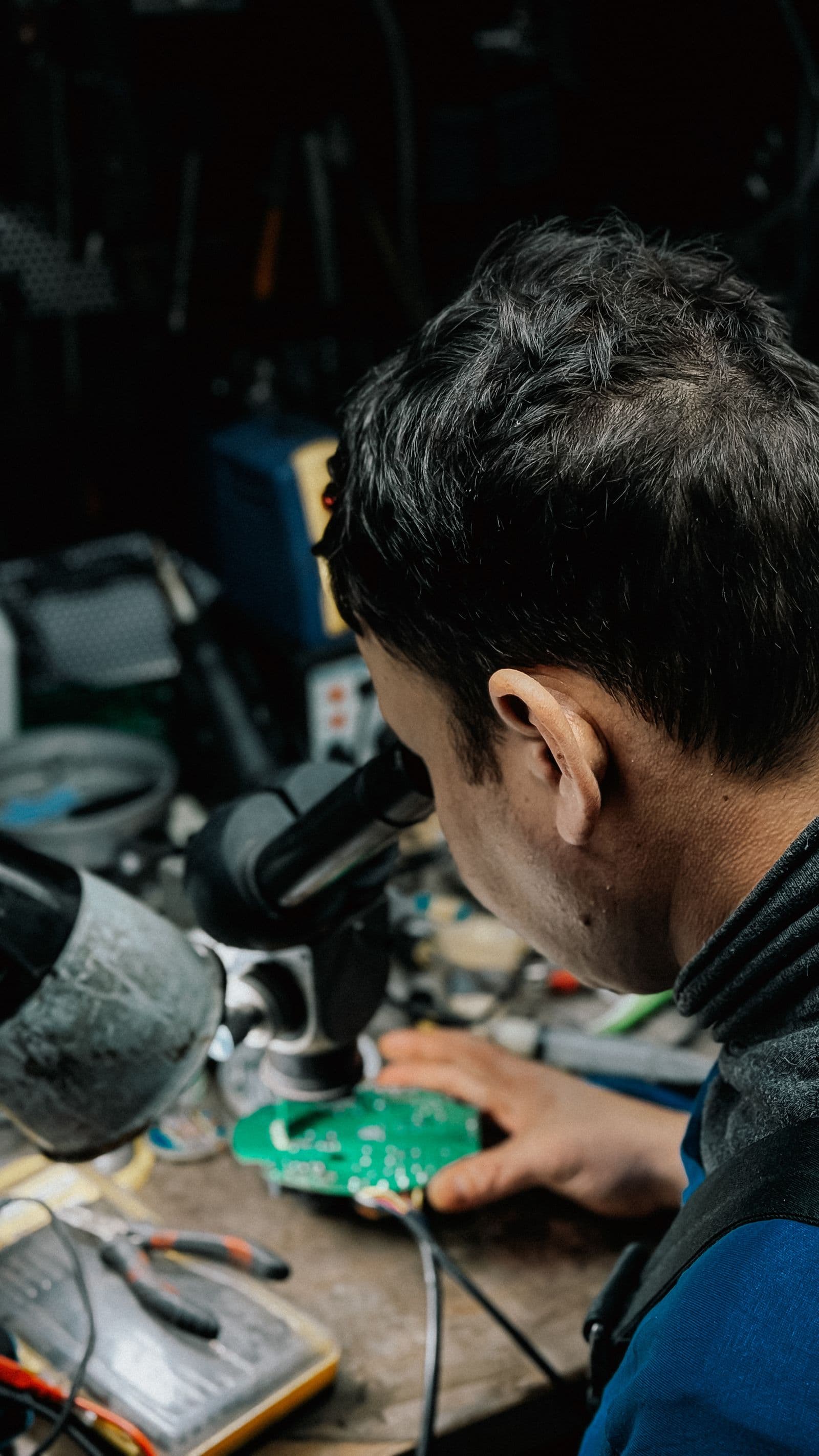
Step one: locating the failure site
Visual and microscope inspection identifies exactly which component or area failed first, distinguishing the original point of failure from secondary damage that spread afterward.
Step two: reconstructing the failure mechanism
Electrical testing and circuit tracing establish how the fault propagated — for example, whether a component failed due to overheating, an electrical overstress event, or a manufacturing-related weakness.
Step three: reasoning toward a probable cause
The evidence from the first two steps is weighed against the circuit's design and operating conditions to build a probable explanation for why the failure occurred — not just what broke.
What the output looks like
A failure analysis finding documents the failure site, the mechanism, and a probable root cause, along with a corrective recommendation where one is supportable by the evidence.
Related Service
Electronics Failure Analysis