Electronics Repair and Diagnostics for Medical Technology
Medical equipment often stays in service for a decade or more, long after a manufacturer stops supporting the electronics inside it. When a monitor, diagnostic module, or power supply fails, replacing the whole unit is frequently the most expensive option available — and not always the only one.
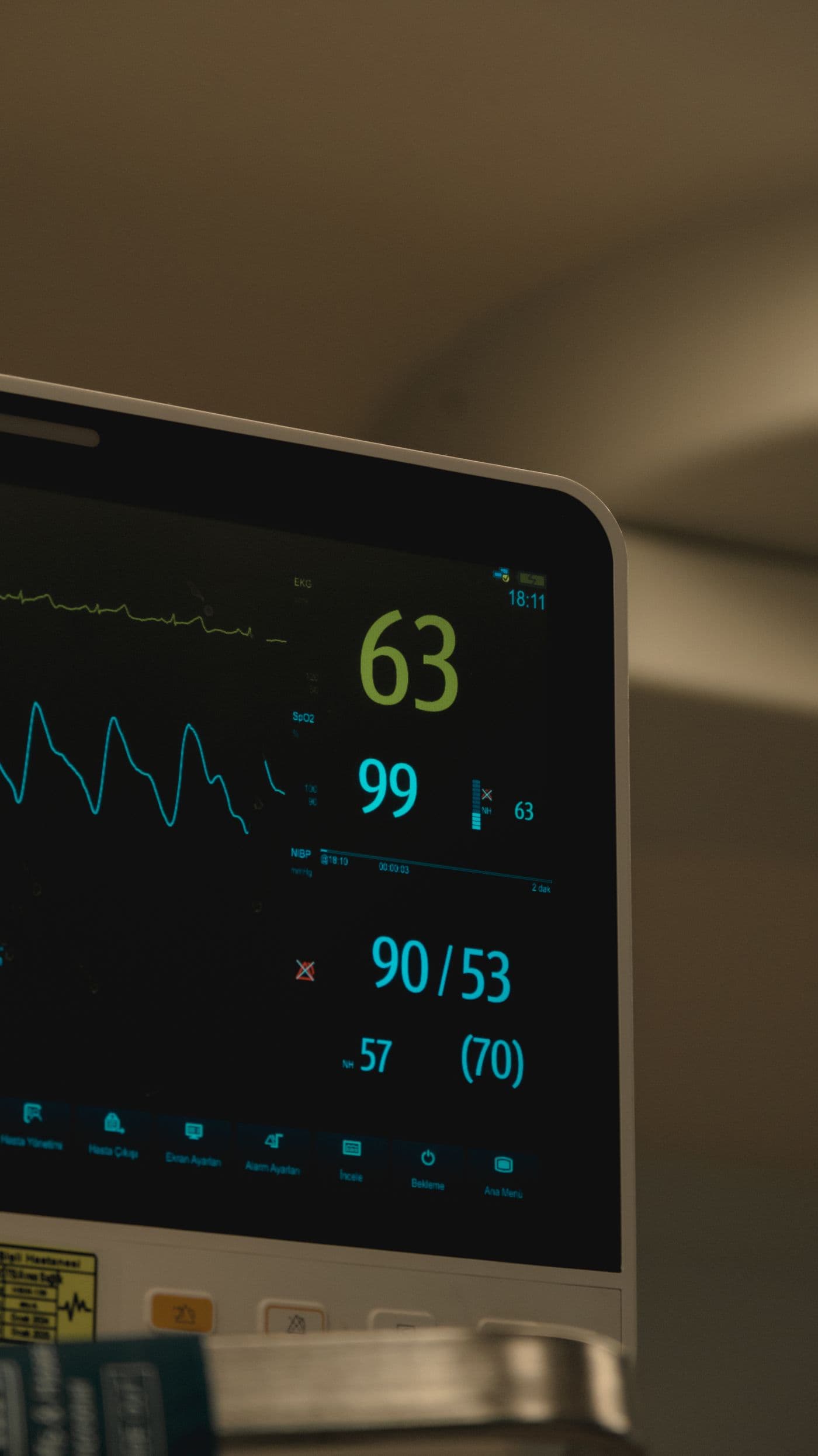
Equipment and Systems
- Patient-monitoring displays and signal-processing boards
- Diagnostic equipment control and interface modules
- Medical-grade switch-mode power supplies
- Device control boards and touchscreen interface assemblies
- Battery-backup and charging circuitry
Common Failures
- Unit powers on but the display stays blank or shows corrupted output
- Intermittent shutdowns during use, often traced to power-supply components
- A specific measurement channel stops reading while others work normally
- Physical damage to connectors or ribbon cables from routine handling
- Battery-charging circuitry that no longer holds a charge
Diagnostic Process
- Visual and microscope inspection for corrosion, cracked solder joints, and heat damage
- Power-rail and voltage-regulation testing under load
- Signal tracing on the specific channel or subsystem reporting the fault
- Component-level testing to isolate a failed part from a design or firmware issue
Repair vs. Replacement
A failed control board or power supply is frequently a small fraction of the cost of a full replacement unit, particularly for equipment the original manufacturer has discontinued. Assessment identifies which category a given fault falls into before any repair work is authorized, so the decision to repair or replace is made with real information rather than a guess.
Important Limitation
Repair and diagnostic work does not include clinical calibration, medical-device certification, or approval to return equipment to clinical service — those remain the customer's own regulatory and quality-assurance responsibility.
Common Questions
Can Sinsal repair medical equipment that's still under a service contract?
That depends on the terms of the existing contract — some manufacturers void warranty coverage if third-party repair is performed. Confirm this with your service provider before submitting equipment for assessment.
Does Sinsal recalibrate or certify equipment after repair?
No. Sinsal's scope is component-level electronics repair and diagnostics — clinical calibration and certification are the customer's responsibility and are handled separately.
Have Equipment That Needs a Second Opinion?
Describe the equipment and the fault. Sinsal will confirm whether it's a fit for diagnostics and repair before any work begins.